

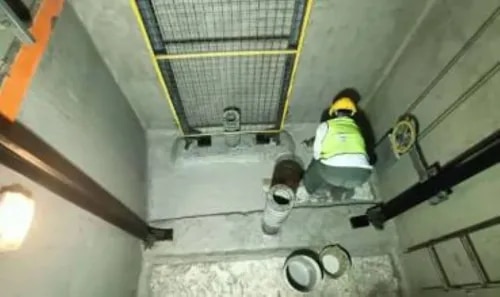
Lift Pit Waterproofing
INR 80
Enquire
Description
Lift pit waterproofing is a critical below-grade negative-side or positive-side intervention required to prevent hydrostatic groundwater pressure from flooding elevator shafts, rusting mechanical rails, and causing electrical failures. Effective remediation involves stopping active leaks with quick-setting plugs, mechanically grinding the concrete surface, and applying multi-coat crystal-forming, cementitious, or epoxy resin membranes. Why Lift Pits Are a Critical Waterproofing Zone Lift pits are tucked away at the bottom of your elevator shafts, usually below ground. Since they sit in a buried or semi-buried zone, they constantly face groundwater pressure and also face seepage risk. But if water breaks through, the results can be costly and dangerous. Despite all this, lift pits are often not given enough attention during design or maintenance and are often overlooked. But in reality, they are one of the most important zones for waterproofing for both safety and long-term durability. Common Causes of Water Ingress in Lift Pits Water finds many ways into a lift pit. The most common include: The groundwater that seeps through porous concrete or cracks. Drainage or runoff from adjacent wet areas, like basements or washrooms. Bad detailing at the junction where the walls meet the floor. Service pipe penetrations that are left unsealed. Corners that were not treated properly during construction. These problems may seem inconsequential at first, but they may worsen rather quickly due to constant water pressure. Hence, lift pits require waterproofing solutions to prevent damage and ensure long-term durability. Essential Steps for Waterproofing a Lift Pit Surface Preparation and Cleaning: Mechanically grind the reinforced cement concrete (RCC) surface to clear out laitance, dust, oil, and loose particles, exposing open concrete pores. Active Leak Plugging: Stop active water jets or seepage points using quick-setting hydraulic mortar, rapid-setting grout (such as Terraplug), or polyurethane foam injections. Joint and Tie-Rod Sealing: Treat honeycombing, construction joints, and tie-rod holes with high-strength polymer-modified repair mortars or water-stop expansive tape. Membrane Application: Apply a multi-coat waterproofing system (such as a two-component epoxy coating like Fosroc Nitocote ET 402, Penetron crystalline cementitious slurries, or bituminous elastomeric layers) ensuring complete coverage on base slabs and vertical walls. Curing and Testing: Allow the applied coating to cure adequately under moist conditions if required by the product specs, then conduct a 24-hour water fill test to verify zero leakage before reinstalling elevator machinery.
other Products
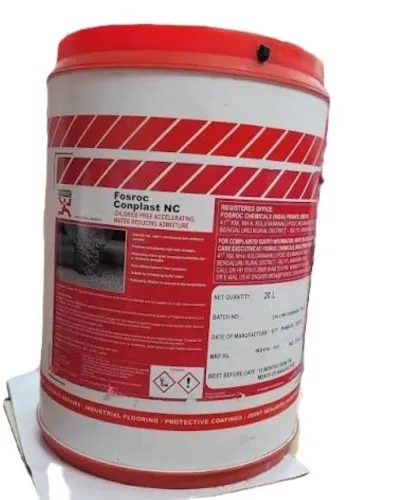 CONPLAST NC (20L) Chloride free accelerating, water reducing admixture. The main active ingredient is an inorganic formate. Stan
CONPLAST NC (20L)
INR 4159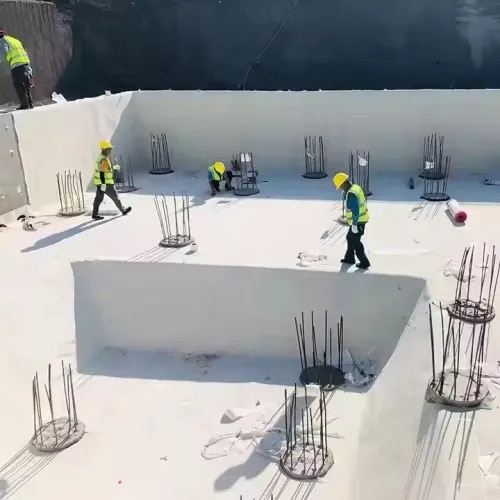 FOSROC MEMBRANE HDPE P1.2 (1.2mmx2.4mx20m) Pre-applied HDPE pressure sensitive adhesive waterproofi ng membrane which bonds integrally to poured concrete
FOSROC MEMBRANE HDPE P1...
INR 800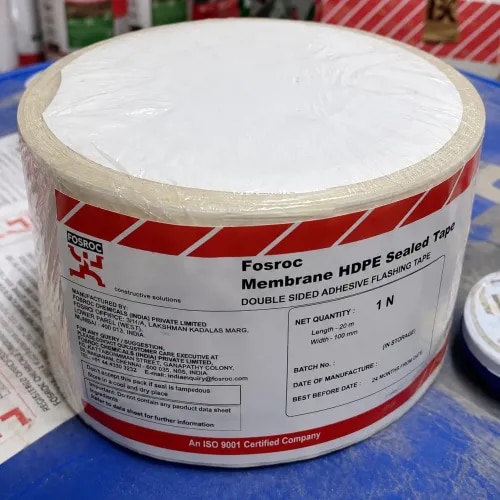 FOSROC MEMBRANE HDPE SEALED TAPE (100mmx20m) Fosroc Membrane HDPE -Sealed Tape Double-side Adhesive Flashing tape has two layers of adhesive which bond res
FOSROC MEMBRANE HDPE SE...
INR 3352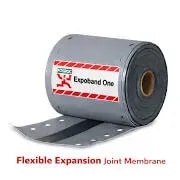 EXPOBAND ONE (1mmx150mmx20m) Flexible expansion joint membrane Expoband One is an un-reinforced Flexible Polyolefin (FPO) membrane availabl
EXPOBAND ONE (1mmx150mm...
INR 12157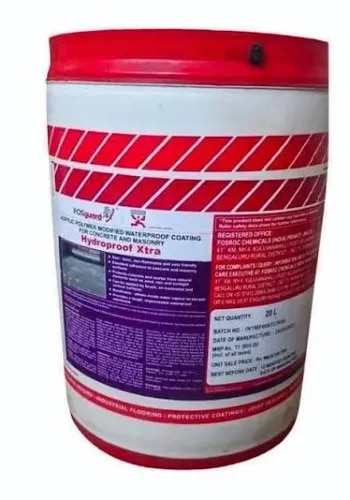 HYDROPROOF XTRA (20L) Single component acrylic polymer for cement based waterproof composite coating membrane. Hydroproof Xtra is f
HYDROPROOF XTRA (20L)
INR 6251